
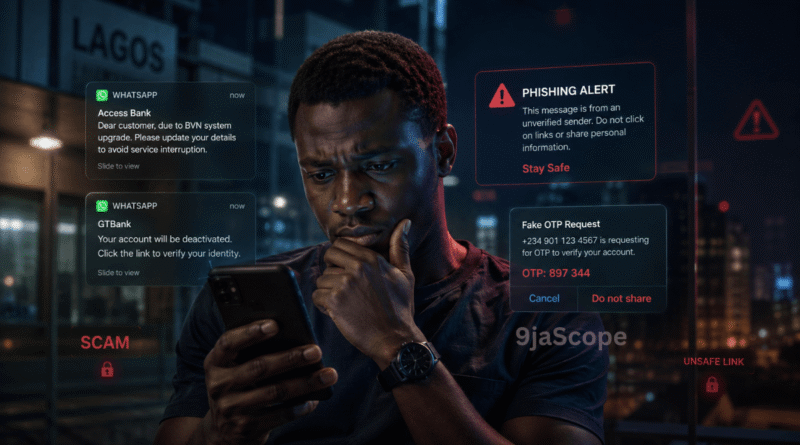
Internet Safety in Nigeria: Common Online Threats Explained
Smartphones, social media platforms, mobile banking apps, and digital communication tools have transformed everyday life across Nigeria. As concerns around internet safety in Nigeria continue to grow, millions of Nigerians now rely on the internet for:
- communication,
- banking,
- education,
- entertainment,
- shopping,
- transportation,
- and business transactions.
From WhatsApp conversations and TikTok trends to instant bank transfers and online marketplaces, digital life now shapes how many Nigerians work, interact, and make decisions daily.
But while internet access has created convenience and opportunity, it has also quietly introduced new forms of vulnerability that many people still underestimate. Millions of Nigerians now live significant parts of their lives online — yet many do not fully realize how exposed, manipulated, and emotionally vulnerable digital life can make them.
Modern online threats no longer target only computers or technical systems. Increasingly, they exploit:
- trust,
- urgency,
- emotional pressure,
- familiarity,
- panic,
- curiosity,
- loneliness,
- and digital exhaustion.
Internet safety is no longer only about protecting devices from hackers. It is now also about protecting:
- money,
- identity,
- privacy,
- relationships,
- emotional wellbeing,
- reputation,
- and personal data.
According to repeated warnings issued by the Nigerian Communications Commission (NCC) and the Economic and Financial Crimes Commission (EFCC), phishing attacks, impersonation scams, OTP theft, and digital fraud continue rising as more financial and social activity moves online.
This guide explains the most common online threats affecting Nigerians today in a practical, beginner-friendly, and psychologically aware manner. It explores:
- how scams operate,
- why people fall victim,
- how emotional manipulation works,
- and the habits that significantly reduce online risk.
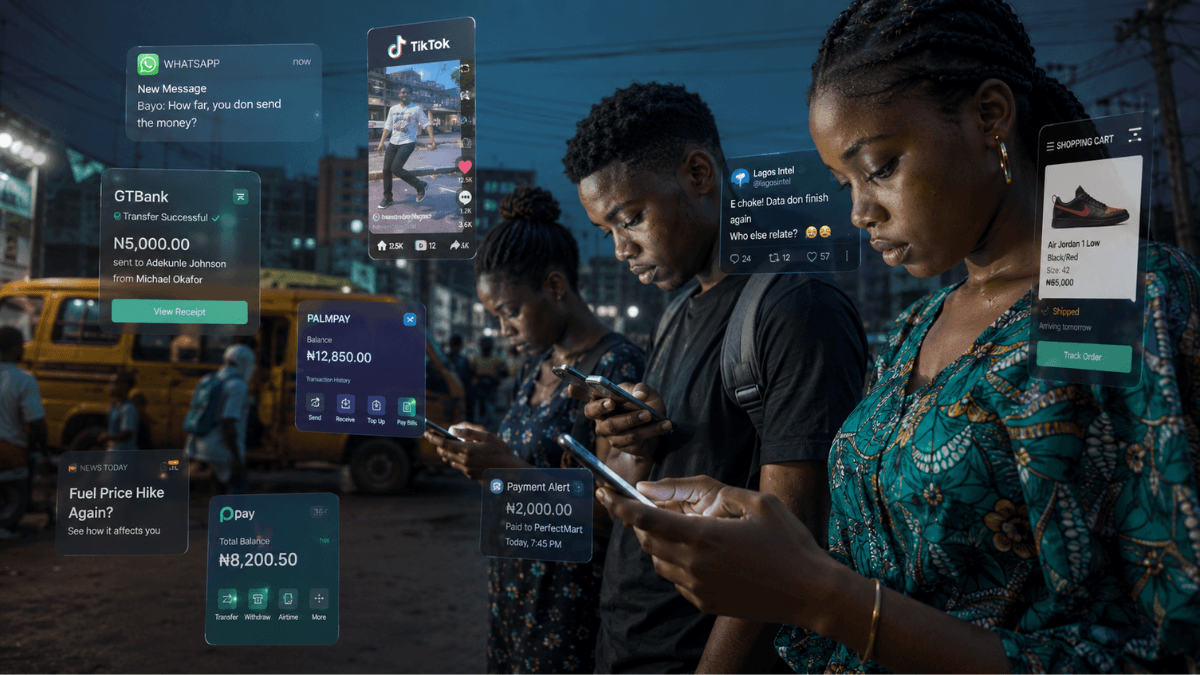
Table of Contents
1. Why Nigerians Are Becoming More Vulnerable Online
Nigeria’s digital transformation has accelerated rapidly in recent years. Millions now depend heavily on:
- fintech apps,
- social media platforms,
- online shopping,
- remote work systems,
- ride-hailing apps,
- and WhatsApp communication.
This growing digital dependence has created enormous convenience — but it has also expanded the number of opportunities scammers can exploit.
Several everyday habits quietly increase online vulnerability:
- weak password culture,
- reusing passwords,
- oversharing personal information,
- downloading unsafe apps,
- clicking suspicious links impulsively,
- and trusting familiar-looking accounts too quickly.
Many people still assume cybercrime only affects wealthy individuals or highly technical organizations. In reality, scammers increasingly target ordinary users because emotional manipulation is often easier than advanced hacking.
The Hidden Role of Digital Exhaustion
Digital exhaustion is becoming a major but often overlooked factor in online vulnerability.
Many Nigerians now deal with:
- nonstop notifications,
- financial stress,
- information overload,
- emotional fatigue,
- and reduced attention spans.
When people become mentally overwhelmed, they are more likely to:
- react impulsively,
- ignore warning signs,
- or trust emotionally urgent messages without verification.
This explains why many scam victims later say:
“I normally would not have fallen for it.”
Often, the issue is not intelligence. It is emotional overload combined with carefully designed psychological pressure.
Key Takeaway
Many online scams succeed because they pressure people emotionally before they have time to think critically.
2. Why Internet Safety Is No Longer Just About Technology
Modern scams increasingly target human behavior instead of technical systems alone.
Cybercriminals frequently exploit:
- fear,
- panic,
- urgency,
- sympathy,
- loneliness,
- curiosity,
- and trust.
Instead of breaking into systems forcefully, many scammers simply manipulate victims into voluntarily sharing sensitive information.
This psychological approach is often more effective than traditional hacking.
Why Modern Scams Feel Real
Many scams now feel disturbingly believable because attackers intentionally create:
- fake familiarity,
- emotional connection,
- authority impersonation,
- convincing urgency,
- and trust-building conversations.
Some fake customer support agents sound calm and professional. Some fake investment platforms use polished branding and celebrity images. Some scam messages imitate relatives or trusted friends convincingly.
The internet has made life easier, but it has also made emotional manipulation easier for cybercriminals and scammers.
Why Smart People Still Fall for Online Scams
Many victims blame themselves afterward, but online scams often target emotional vulnerability rather than intelligence.
Risk increases during:
- stress,
- financial pressure,
- emotional distraction,
- fatigue,
- or panic-driven situations.
Even highly educated people can fall victim under the right emotional conditions.
Reader Reminder
Awareness dramatically reduces risk.
Most online scams become easier to identify when people:
- slow down,
- verify independently,
- resist panic,
- and avoid emotionally rushed decisions.
3. Why Nigerians Must Learn To Verify Everything Online
Blind trust in online content has become increasingly dangerous.
Today, Nigerians frequently encounter:
- fake screenshots,
- fake customer support accounts,
- manipulated videos,
- fake bank websites,
- fake crypto influencers,
- fake giveaways,
- and cloned social media accounts.
Many scams are intentionally designed to appear emotionally believable.
Verification as Emotional Discipline
Verification is no longer only a technical habit — it is an emotional discipline.
Safe online behavior increasingly requires:
- slowing down before reacting,
- resisting panic-based decisions,
- confirming identities directly,
- and cross-checking information independently.
People who pause before responding often avoid scams that depend on urgency and emotional pressure.
Red Flags Nigerians Often Ignore
Common warning signs include:
- requests for OTP codes,
- urgent payment pressure,
- suspicious shortened links,
- fake account recovery messages,
- requests for secrecy,
- and pressure to act immediately.
Urgency itself is often a manipulation tactic.
Quick Safety Reset Checklist
Before reacting online:
- pause first,
- verify independently,
- confirm identities directly,
- inspect URLs carefully,
- and avoid emotionally rushed decisions.
Simple verification habits dramatically reduce online risk.
4. Unsafe Online Habits Quietly Putting Nigerians at Risk
Many online risks come from ordinary habits that people rarely consider dangerous.
Common Everyday Mistakes
Unsafe habits often include:
- reusing passwords across platforms,
- downloading unsafe APK files,
- clicking on unknown links carelessly,
- oversharing personal information,
- ignoring software updates,
- and using public Wi-Fi carelessly.
Attackers often rely on these small weaknesses accumulating over time.
Myth vs Reality
Myth:
“Only rich people get hacked.”
Reality:
Ordinary people are often easier targets because they may have weaker security habits.
Myth:
“iPhones cannot be hacked.”
Reality:
No device is completely immune to:
- phishing,
- malware,
- impersonation,
- or manipulation.
Myth:
“Scammers only target older people.”
Reality:
Young people increasingly face:
- romance scams,
- crypto fraud,
- gaming scams,
- and fake investment schemes.
Key Takeaway
Online safety is shaped more by daily habits than by technical expertise alone.
5. The Most Common Online Threats Affecting Nigerians Today
WhatsApp Account Scams
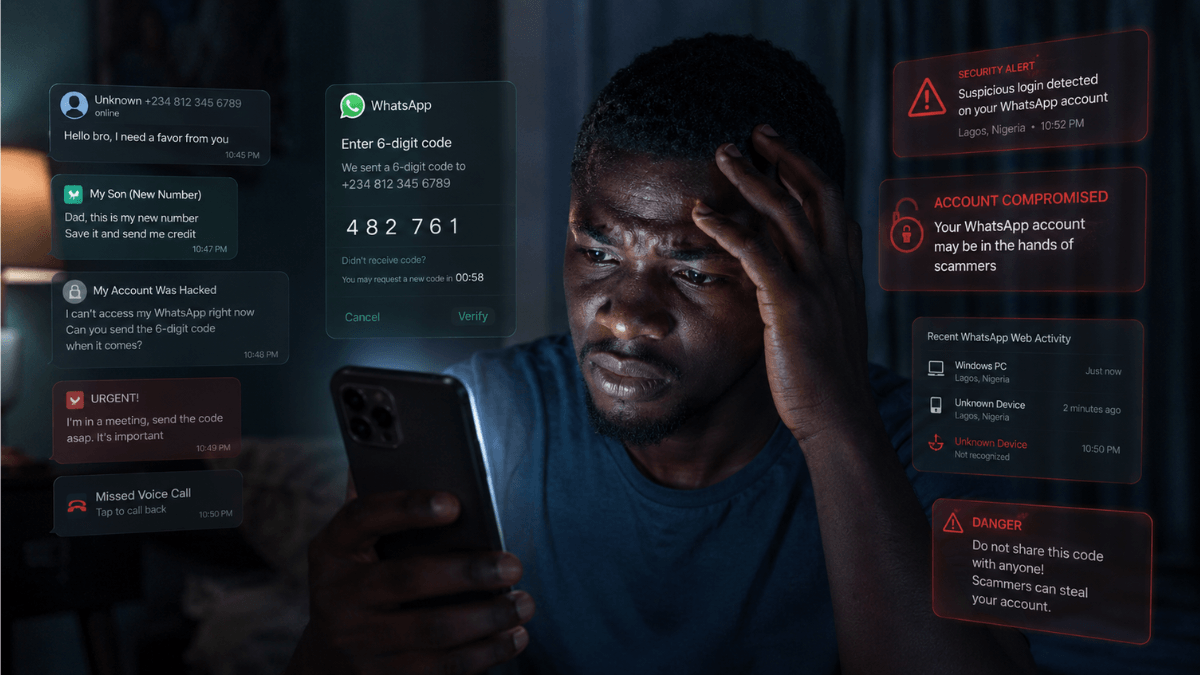
WhatsApp scams have become extremely common across Nigeria because attackers exploit:
- trust,
- familiarity,
- urgency,
- and emotional closeness.
Common WhatsApp Scam Tactics
These scams often involve:
- OTP hijacking,
- fake emergencies,
- fake giveaways,
- and business impersonation scams.
Real-Life Nigerian Scam Scenario
A trader receives an urgent WhatsApp message that appears to come from a close friend, requesting a verification code needed to “recover an account.”
Believing the request is genuine, the trader shares the code.
Within minutes:
- the WhatsApp account becomes inaccessible,
- and scammers begin requesting money from contacts.
WhatsApp scams often succeed because they exploit familiarity and emotional urgency.
Banking and Fintech Fraud
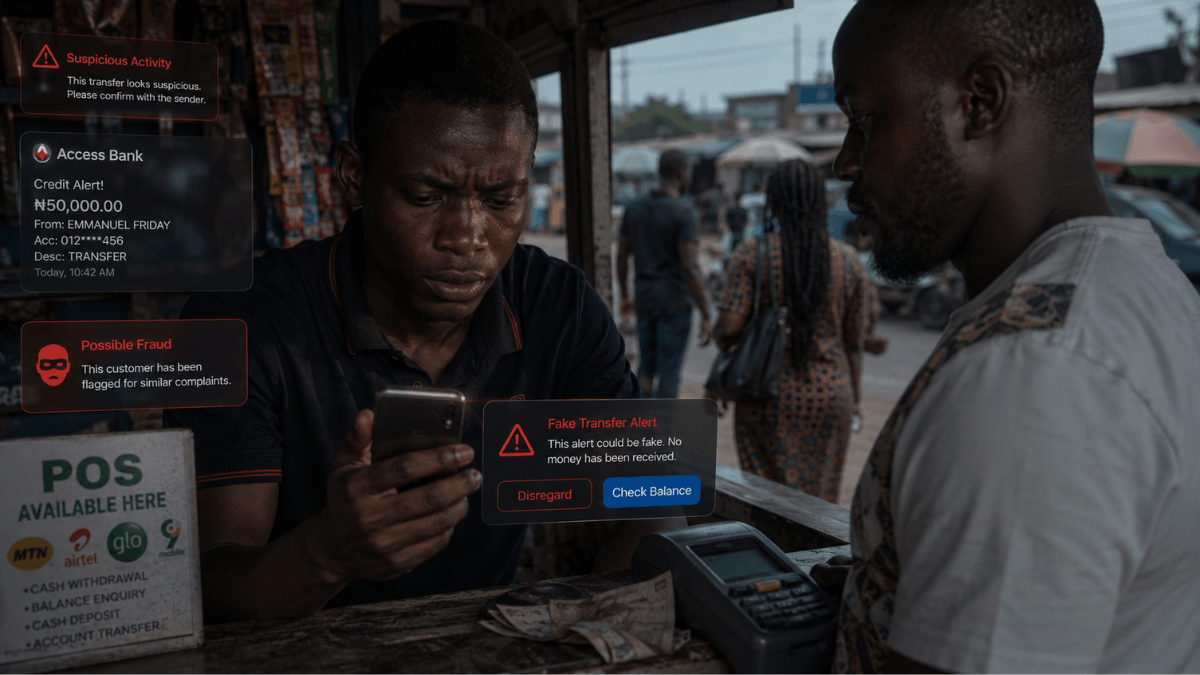
Financial scams are becoming increasingly sophisticated across Nigeria.
Fake Bank Calls
Scammers often impersonate:
- banks,
- fintech support staff,
- or POS operators.
Victims may receive calls claiming:
- suspicious activity was detected,
- accounts may be blocked,
- or urgent verification is required.
Fear weakens careful thinking.
Fake POS Reversals and Debit Alerts
One increasingly common scam involves fake transfer alerts or fake POS reversals.
Ultra-Relatable Nigerian Scenario
A POS operator receives what appears to be a successful transfer alert from a customer in a hurry. Because the alert looks convincing and the customer appears calm and confident, cash is released immediately.
Minutes later, the operator discovers:
- the alert was fake,
- the account was never credited,
- and the customer’s phone line is no longer reachable.
These scams succeed because attackers intentionally create:
- urgency,
- distraction,
- and emotional pressure.
OTP Theft
Scammers also target OTP codes because they often provide immediate access to protected banking or financial accounts.
Many victims mistakenly believe OTP requests coming from “support agents” are legitimate.
Social Media and Romance Manipulation
Social media scams increasingly exploit emotional vulnerability.
Common Social Media Scam Types
Examples include:
- Facebook account cloning,
- fake TikTok giveaways,
- romance scams,
- fake celebrity promotions,
- and fake investment influencers.
Some scammers spend weeks building emotional trust before requesting money.
Victims often experience:
- embarrassment,
- emotional betrayal,
- anxiety,
- and loss of trust afterward.
Many online scams now target emotional vulnerability as aggressively as financial vulnerability.
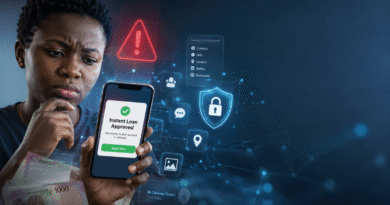
Fake Loan Apps
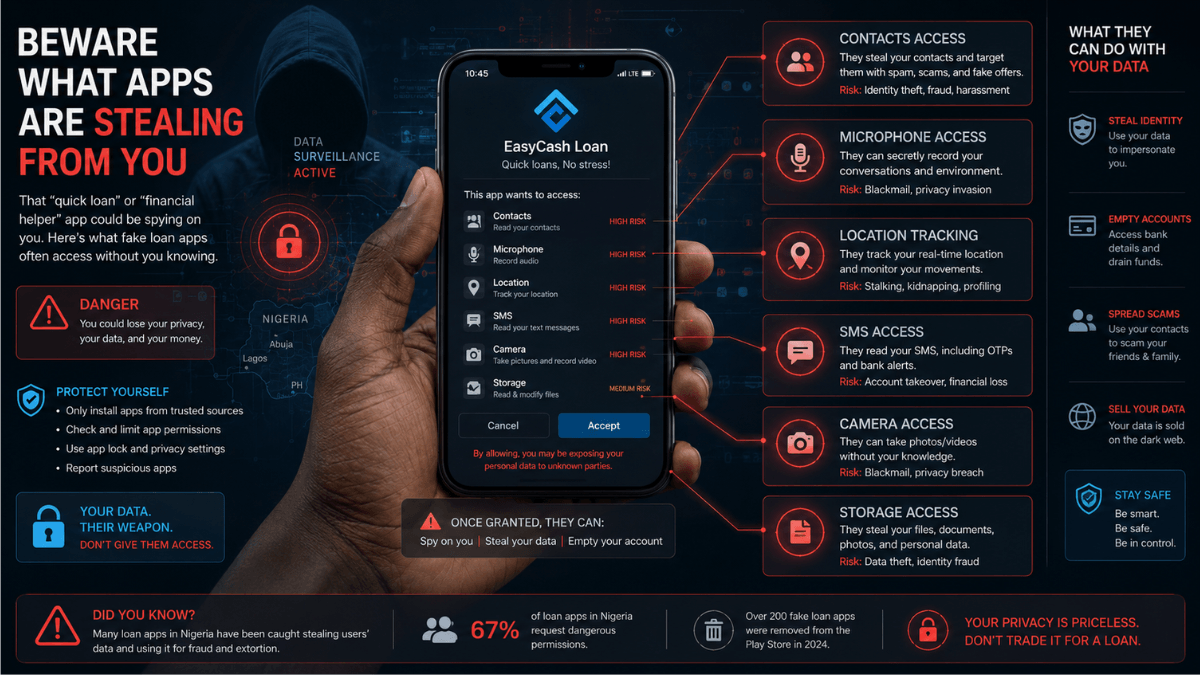
Some fake loan apps exploit users through:
- contact shaming,
- harassment,
- intimidation,
- and emotional pressure.
Dangerous Permissions
Many request excessive access to:
- contacts,
- messages,
- call logs,
- and storage permissions.
Victims may later face public embarrassment and emotional intimidation targeting friends and relatives.
Malware and Unsafe Downloads
Many malware infections now happen silently through:
- unsafe APK files,
- fake applications,
- pirated software,
- suspicious links,
- and infected attachments.
Warning Signs
Possible signs may include:
- overheating,
- unusual battery drain,
- suspicious login alerts,
- pop-ups,
- or unauthorized account activity.
The Rise of AI-Powered Scams
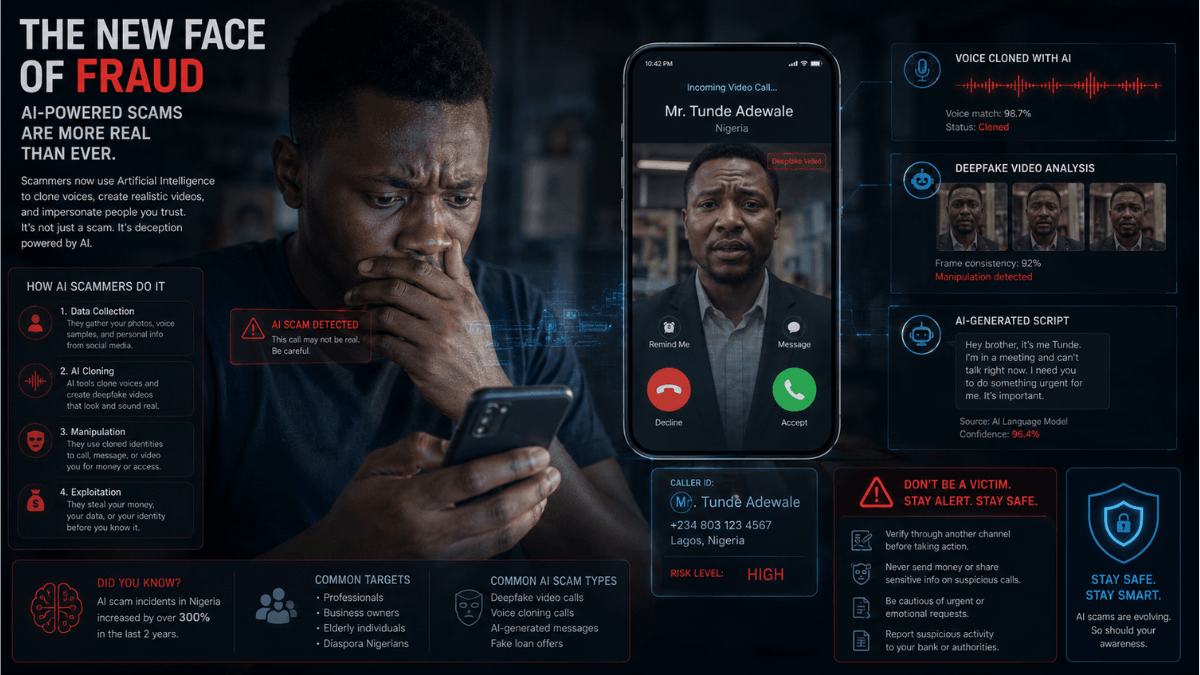
Artificial intelligence is making online deception increasingly realistic.
Emerging AI Scam Tactics
Modern AI scams may involve:
- cloned voices,
- deepfake videos,
- emotionally persuasive fake conversations,
- AI-generated phishing messages,
- and fake customer support systems.
International cybersecurity organizations, including Interpol, continue warning about the growing sophistication of AI-assisted fraud.
Key Takeaway
Modern online scams increasingly imitate:
- trust,
- authority,
- emotional familiarity,
- and urgency.
The calmer people remain online, the harder they become to manipulate.
6. How Your Phone May Already Be Collecting More Information Than You Realize
Many Nigerians unknowingly grant applications excessive access to personal information.
Common Types of Data Collected
Some apps collect:
- location history,
- browsing behavior,
- contact lists,
- SMS permissions,
- microphone access,
- and behavioral data.
Some free VPNs and browser extensions may also:
- collect browsing activity,
- inject advertisements,
- monitor behavior,
- or sell user data.
Warning Signs Your Privacy May Already Be Compromised
Possible warning signs include:
- unusual battery drain,
- excessive targeted ads,
- strange app behavior,
- suspicious login alerts,
- or unexplained permissions.
How To Reduce Digital Tracking
Important safety habits include:
- reviewing app permissions regularly,
- deleting unused apps,
- avoiding suspicious VPNs,
- updating devices frequently,
- and downloading apps only from trusted stores.
Most users do not need perfect security — they simply need stronger awareness and safer digital habits.
7. What To Do Immediately After Falling Victim to an Online Scam
Fast action often limits damage significantly.
If You Clicked a Suspicious Link
Immediately:
- change passwords,
- monitor accounts carefully,
- disconnect from suspicious websites,
- and run security scans if necessary.
If Your WhatsApp Account Was Hacked
You should:
- attempt recovery immediately,
- notify contacts quickly,
- enable two-factor authentication,
- and disconnect linked devices.
If Banking Information Was Exposed
Immediately:
- contact the bank,
- freeze compromised accounts if necessary,
- monitor transactions closely,
- and change banking credentials quickly.
Emergency Action Checklist
- Change passwords immediately
- Contact your bank
- Inform trusted contacts
- Enable stronger security protections
- Monitor suspicious activity carefully
Responding quickly after a scam dramatically improves the chances of limiting damage.
8. Practical Internet Safety Habits Every Nigerian Should Develop
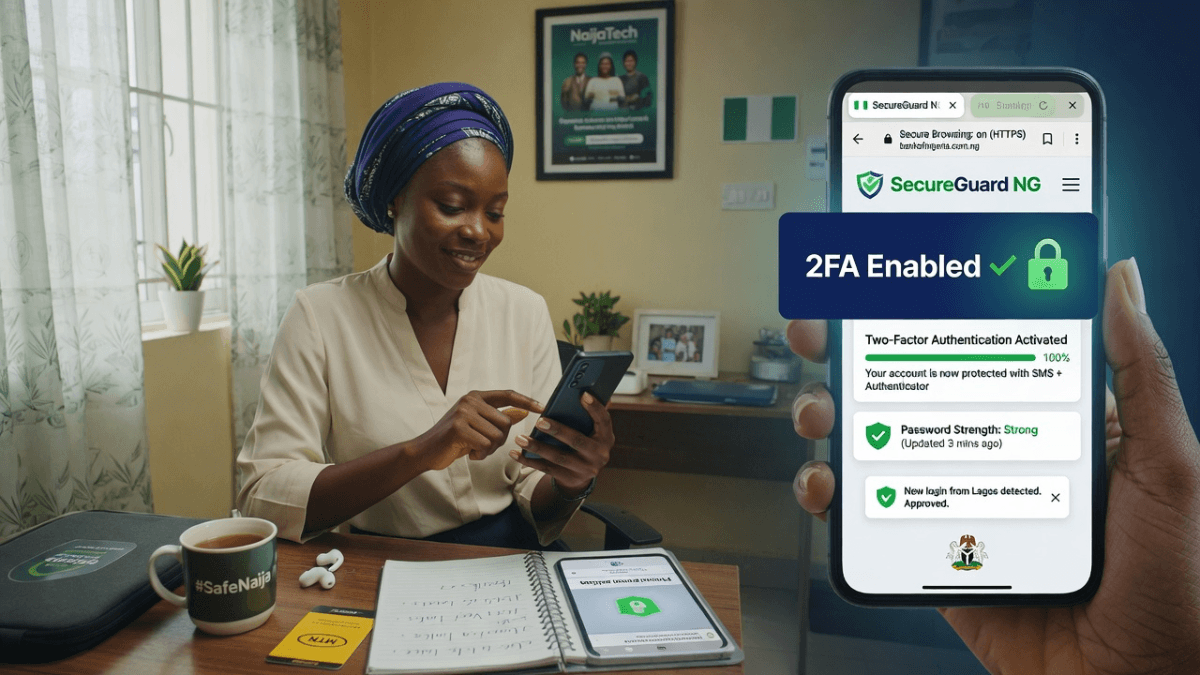
Important internet safety habits include:
- using strong and unique passwords,
- enabling two-factor authentication,
- verifying before sending money,
- avoiding emotionally pressured decisions,
- keeping devices updated,
- and avoiding unsafe downloads.
Quick Personal Internet Safety Checklist
Before reacting online:
- pause,
- verify,
- confirm identities,
- inspect links carefully,
- and avoid panic-driven decisions.
Awareness, verification, and calmer decision-making dramatically reduce online risk.
Reader Breathing Point
People do not need to become fearful of technology.
They simply need:
- calmer habits,
- stronger awareness,
- and a better verification culture.
9. Internet Safety for Families, Teenagers, and Businesses
Young Internet Users
Teenagers increasingly face:
- cyberbullying,
- gaming scams,
- manipulative relationships,
- social media pressure,
- and online predators.
How Parents Can Help
Parents can improve safety by:
- encouraging open communication,
- teaching verification habits,
- discussing emotional manipulation openly,
- and monitoring online behavior responsibly.
Digital safety education should include emotional awareness — not only technical rules.
Nigerian Businesses and Remote Workers
Small businesses increasingly face:
- business email compromise,
- invoice fraud,
- ransomware,
- and phishing attacks.
Common Business Weaknesses
Many cyber incidents begin with:
- weak passwords,
- careless file sharing,
- malicious attachments,
- or rushed decisions.
Important Protection Habits
Businesses should prioritize:
- employee awareness training,
- stronger passwords,
- data backups,
- multi-factor authentication,
- and independent payment verification.
Many business cyberattacks succeed because of weak awareness rather than weak technology.
10. Common Internet Safety Terms Explained Simply
Phishing
Fake messages or websites designed to steal sensitive information.
Malware
Harmful software that damages or spies on devices.
OTP
A temporary security code used for account verification.
VPN
A tool that helps improve internet privacy.
Spyware
Software designed to secretly monitor users.
Ransomware
Malware that locks files until a ransom is paid.
Social Engineering
Psychological manipulation used to trick people.
Two-Factor Authentication
Extra account protection beyond passwords.
Data Breach
Unauthorized exposure of sensitive information.
Key Reminder
Understanding basic cybersecurity language makes online threats easier to recognize and avoid.
Continue Reading:
- Digital Citizenship in Nigeria: Why Responsible Online Behaviour Matters Today
- Fake Loan Apps in Nigeria: Warning Signs and How to Stay Safe
- WhatsApp Account Scams in Nigeria: Common Tricks and How to Protect Yourself
11. Frequently Asked Questions (FAQ)
My WhatsApp account was hacked — what should I do immediately?
You should attempt recovery immediately, notify trusted contacts quickly, and enable stronger security protections to reduce further misuse.
Why do scammers ask for OTP codes?
Scammers target OTP codes because they often provide immediate access to protected banking or financial accounts.
Can fake loan apps leak my contacts?
Yes. Some fake loan apps harvest and misuse contact information for intimidation or harassment.
Can someone spy on my phone through an app?
Yes. Unsafe apps may secretly collect:
messages,
browsing behavior,
location data,
or microphone access.Are free VPN apps safe?
Not always. Some unsafe VPN services may collect browsing data or monitor online activity.
What happens if I click a phishing link?
You may expose:
passwords,
banking details,
or device access.
If sensitive information was submitted, passwords should be changed immediately.
Conclusion
Internet use now shapes nearly every aspect of modern life in Nigeria. People increasingly depend on digital systems for:
- communication,
- banking,
- business,
- education,
- transportation,
- entertainment,
- and relationships.
But as digital life expands, online threats are becoming more emotionally sophisticated.
Modern scams increasingly disguise themselves as:
- trust,
- familiarity,
- urgency,
- opportunity,
- authority,
- sympathy,
- and emotional connection.
Internet safety is no longer only about technology.
It is also about:
- emotional awareness,
- patience,
- verification,
- skepticism,
- digital maturity,
- and calm decision-making.
Many online scams no longer look dangerous at first glance. They often arrive disguised as trust, urgency, opportunity, or emotional familiarity.
In a world where:
- screenshots,
- videos,
- messages,
- alerts,
- and even voices can be manipulated,
awareness is becoming one of the most important forms of protection available.
The goal is not to become fearful of technology.
The goal is becoming harder to manipulate.
As online deception becomes more emotionally convincing, calmer thinking may become one of the most important forms of protection Nigerians have left.


Pingback: WhatsApp Account Scams in Nigeria Are Becoming More Dangerous