
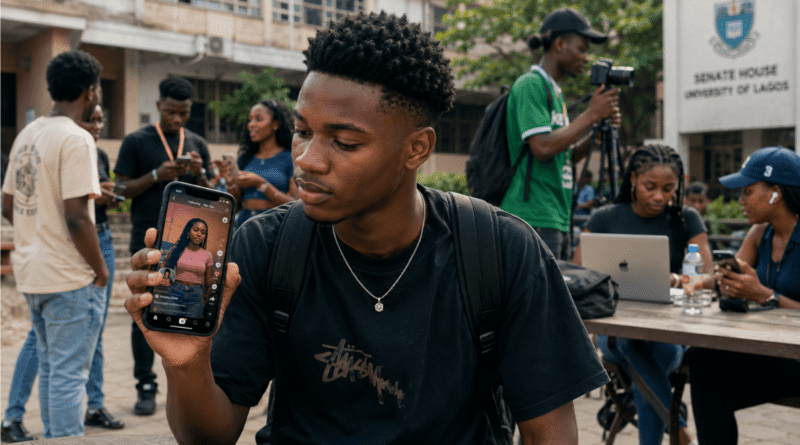
How Social Media Is Shaping Youth Culture and Lifestyle in Nigeria
Introduction
Social Media and Nigerian Youth: A Defining Relationship of the Digital Age
A teenager in Abuja scrolls through a TikTok trend before breakfast. A university student in Enugu learns a new skill from YouTube during lunch. A small business owner in Lagos closes a sale through Instagram before evening. None of these activities would have seemed unusual a decade ago, but together they reveal how deeply social media has become woven into everyday life in Nigeria.
Not long ago, youth culture in Nigeria was shaped primarily by family, schools, religious institutions, local communities and traditional media. Trends travelled slowly. Music spread through radio stations and television. Fashion inspiration often came from celebrities, magazines and influential figures within local communities. Conversations were largely influenced by what happened in physical spaces and immediate social circles.
Today, that reality has changed dramatically.
A decade ago, many Nigerian teenagers worried mostly about fitting into their school environment, neighbourhood or social circle. Today, many also feel pressure to fit into a digital world that never seems to stop moving. Trends change overnight, online conversations move at lightning speed, and what is considered fashionable, successful or desirable can shift with a single viral post.
For many young Nigerians, social media is no longer just a place to share experiences—it is increasingly a place where identity is explored, shaped and sometimes challenged. It influences how people present themselves, the communities they join, the aspirations they pursue and even the language they use in everyday conversations.
Social media platforms such as TikTok, Instagram, YouTube, X and Facebook are no longer simply places where people share photos or chat with friends. They increasingly influence how young Nigerians dress, spend money, build relationships, express themselves and define success.
For many young Nigerians, social media has become the first place they encounter new Afrobeats songs, trending TikTok skits, football debates, celebrity gossip, online business opportunities and even conversations about migration opportunities popularly known as “Japa.” WhatsApp groups, online vendors, influencers and content creators now shape daily conversations in ways that traditional media rarely could.
This transformation has created exciting opportunities. Young people are learning new skills, building businesses, finding communities and accessing information in ways that were difficult to imagine a decade ago. At the same time, new challenges have emerged, including online pressure, comparison culture, misinformation and growing concerns about mental wellbeing.
Understanding this influence matters because social media is no longer separate from everyday life. For many young Nigerians, it has become woven into daily routines, aspirations and decision-making processes.
Key Takeaway
Social media has evolved from a communication tool into a powerful cultural force that influences how many young Nigerians think, interact, learn, spend and live.
Table of Contents
Key Findings at a Glance
Before exploring the details, here are some of the most important realities shaping the relationship between social media and Nigerian youth today:
- More young Nigerians now discover trends through TikTok, Instagram and YouTube than through traditional media channels.
- A trend that begins with a few creators in the morning can influence conversations, purchases and online behaviour across Nigeria before the end of the day.
- The creators many young Nigerians follow online increasingly influence what they buy, how they dress and even how they define success.
- Online platforms have become important spaces for learning, networking, entrepreneurship and skill development.
- Conversations about music, fashion, football, entertainment, business and migration often gain momentum online before appearing in traditional media.
- Social media creates opportunities for growth and self-expression but can also contribute to comparison culture, anxiety and unrealistic expectations.
- Nigeria has tens of millions of active social media users, with young people accounting for a significant share of daily engagement.
- Digital literacy is becoming as important as traditional literacy in an increasingly connected economy.
These trends suggest that social media is no longer simply a technology platform. It has become a powerful cultural force that influences how many young Nigerians learn, interact, consume information and view the world around them.
Why Understanding Social Media and Nigerian Youth Matters
The influence of social media on Nigerian youth extends far beyond entertainment. Its effects can be seen in homes, classrooms, workplaces and communities across the country.
Why Parents Should Pay Attention
Many parents grew up in an era where social interactions happened primarily in physical spaces. Today’s young people, however, often experience a significant part of their social lives online.
This shift creates both opportunities and challenges. Young people can learn valuable skills, gain exposure to different perspectives and connect with educational resources. At the same time, they may encounter harmful content, unrealistic expectations or online pressure that parents may not immediately recognize.
Many Nigerian parents understand academic pressure, examination anxiety and career expectations. Far fewer understand viral challenges, online slang, influencer culture and algorithm-driven content feeds that increasingly shape how young people think and behave online.
The challenge for many parents today is not whether social media should be part of their children’s lives, but how to help them navigate it wisely.
Why Educators Need to Understand Digital Culture
Social media is influencing how young people consume information in ways that would have seemed unusual a generation ago.
Many students now encounter educational content through YouTube videos, short-form explainers, online discussions and creator-led tutorials. Some learn practical skills, coding lessons, career guidance, WAEC preparation strategies and JAMB tutorials through social media before they encounter similar material in traditional classrooms.
Educators who understand this reality are often better positioned to connect with students and encourage responsible digital learning habits.
Why Brands Are Paying Attention to Social Media Trends
Businesses increasingly pay attention to youth culture because young consumers often determine what becomes popular.
A product recommendation from an influencer, a viral TikTok review or a trending Instagram post can influence purchasing decisions far more quickly than many traditional advertising campaigns. This is one reason brands closely monitor online conversations among young Nigerians.
Why Society Is Paying Attention
The influence of social media is no longer limited to individuals. Schools, community organizations, government agencies, religious institutions and non-profit groups increasingly recognize the role digital platforms play in shaping public awareness and engagement.
Whether it involves public health campaigns, educational initiatives, community development projects or social awareness efforts, social media has become a powerful tool for reaching large audiences and encouraging participation.
While much attention is given to the opportunities social media creates, concerns about its emotional impact have also become increasingly difficult to ignore.
Why Mental Health Conversations Are Becoming More Important
Many young people encounter carefully curated images of success, wealth, beauty and achievement every day.
Someone may spend five minutes scrolling through luxury vacations, expensive cars, designer fashion and success stories before starting a day that looks nothing like what they have just seen online. Over time, this constant comparison can affect confidence, self-worth and emotional wellbeing, especially among young people who are still forming their identity.
This does not mean social media is inherently harmful. Rather, it highlights the importance of developing healthy online habits, realistic expectations and greater self-awareness.
Mental health conversations are becoming increasingly important because digital experiences now play a meaningful role in how many young people see themselves and the world around them.
Why It Matters to Young Nigerians Themselves
Ultimately, young Nigerians are the people most directly affected by these changes.
The choices they make online can influence their education, relationships, career opportunities, finances and personal wellbeing. Understanding how social media works—and how it shapes behaviour—can help young people make more informed decisions about the content they consume and the habits they develop.
To understand why social media has become so influential today, it is helpful to look at how youth culture evolved during the last decade.
How Youth Culture in Nigeria Has Changed Over the Last Decade
The influence social media holds today did not emerge overnight. It developed gradually as new technologies, platforms and online behaviours became part of everyday life.
Before the Smartphone Era
Before smartphones became widespread, youth culture was shaped largely by physical interactions and traditional media.
Young people spent more time engaging with local communities, neighbourhood friends, schools and family networks. Popular music spread through radio stations. Television programmes influenced fashion and entertainment preferences. Trends often took longer to gain national attention, and information moved much more slowly.
While information was available, access was generally more limited than it is today.
The Facebook Era
The widespread adoption of Facebook introduced many young Nigerians to large-scale online networking.
For the first time, people could easily connect with classmates, relatives and friends across different locations. Photos, status updates and online discussions became common parts of everyday life. Facebook also introduced many users to the concept of digital identity—how people present themselves online.
Facebook also introduced many Nigerians to the idea that ordinary people—not just celebrities—could build audiences, share opinions and influence conversations online. This marked an important shift in how young people viewed visibility, influence and participation in public discussions.
Beyond networking, Facebook introduced many young Nigerians to online communities, early viral content and new ways of presenting themselves publicly. For many users, it was their first experience of building a digital identity beyond their immediate physical environment.
The WhatsApp Revolution
While Facebook introduced many Nigerians to large online communities, WhatsApp transformed digital communication on a much deeper level.
For millions of Nigerians, WhatsApp became less of a social media platform and more of a daily utility. It became the place where families communicated, churches organized activities, businesses reached customers and communities shared information in real time.
Family groups, school groups, church groups, business communities and neighbourhood networks quickly became part of everyday life. Information could spread almost instantly, whether it involved breaking news, football discussions, community announcements or viral content.
The Instagram Era
Instagram shifted attention toward visual storytelling.
Photos became more carefully curated. Personal branding became more important. Lifestyle content, fashion inspiration and influencer culture began gaining momentum. Many young Nigerians started following creators whose lifestyles appeared aspirational and desirable.
The platform helped normalize concepts such as personal branding, content creation, influencer marketing and lifestyle-driven content.
The TikTok Era
TikTok accelerated the speed at which trends spread.
Short-form video content transformed how people consume entertainment and information. Music, slang, dance challenges, comedy skits and lifestyle trends could reach millions of users within days. The platform’s recommendation system also made it easier for unknown creators to gain visibility, creating opportunities for new voices to emerge.
For many young Nigerians, TikTok has become one of the most influential platforms shaping language, humour, entertainment and digital culture.
The Rise of Always-Connected Youth Culture
Today’s young Nigerians can follow their favourite musicians, participate in viral challenges, learn a skill from a creator, advertise a small business, join discussions on national issues and communicate with friends across different cities—all from the same device.
This level of connectivity would have been difficult to imagine just a decade ago.
Young people now have constant access to content, conversations, entertainment and communities. Trends can spread across the country within hours. Global cultural influences are more accessible than ever before.
This level of connectivity has created unprecedented opportunities for learning and engagement. It has also introduced new challenges related to attention, comparison and information overload.
Key Takeaway
Youth culture in Nigeria has shifted from being shaped primarily by local communities and traditional media to a fast-moving digital environment where trends, conversations and aspirations can spread nationwide within hours.
But access to social media is only part of the story. The bigger question is not how many young Nigerians use social media, but how it is changing the way they speak, dress, think, socialize and define success. That influence becomes clearer when we examine how social media is shaping youth culture itself.
How Social Media Is Shaping Youth Culture
Social media affects how young Nigerians speak, dress, think, socialise and define success. Several key forces illustrate this influence.
The Rise of Influencer Culture in Nigeria
One of the most significant developments within social media culture is the rise of influencers and content creators.
A decade ago, celebrities and traditional media personalities were the primary trendsetters. Today, ordinary individuals can build audiences, establish credibility and influence consumer behaviour through consistent online content.
Lifestyle influencers shape conversations around travel, productivity and personal development. Fashion and beauty influencers introduce new styles, products and aesthetics. Business creators share entrepreneurship advice, career guidance and financial insights. Educational creators help audiences learn everything from graphic design and coding to cybersecurity and artificial intelligence.
A recommendation from a trusted creator can sometimes influence purchasing decisions more effectively than traditional advertising. Young consumers often place greater trust in creators they follow regularly because those recommendations feel more personal and authentic.
A university student looking for fashion inspiration may trust recommendations from a favourite creator more than traditional advertisements. Likewise, a young entrepreneur may purchase business tools based on reviews from creators they follow regularly. In many cases, creators have become the bridge between brands and consumers.
The rise of influencer culture has also created entirely new career paths. Content creation, brand partnerships, affiliate marketing and digital consulting have become legitimate income streams for many young Nigerians.
At the same time, influencer culture has contributed to changing perceptions of success, visibility and achievement. For some young people, influence itself has become a form of social capital.
The Rise of Online Communities
A generation ago, communities were usually based on schools, workplaces, neighbourhoods and religious institutions.
Today, a young Nigerian interested in graphic design, cybersecurity, football, photography, entrepreneurship or fashion can connect with like-minded people regardless of location.
Many of these communities provide support, mentorship, learning opportunities and career connections that would otherwise be difficult to access.
At the same time, online communities have also increased exposure to online scams, misinformation and privacy risks. As participation in digital communities increases, understanding online safety becomes increasingly important.
Many of these risks are explored in our article on Internet Safety in Nigeria: Common Online Threats Explained, while communication-related threats are discussed in WhatsApp Account Scams in Nigeria.
The Creator Economy and Digital Entrepreneurship
Many young Nigerians no longer view social media purely as entertainment.
They increasingly see it as an economic platform.
Content creators can monetize audiences through advertising revenue, sponsorships, affiliate marketing and brand partnerships. Others sell digital products such as e-books, templates, online courses and consulting services.
Educational creators now teach coding, graphic design, digital marketing, cybersecurity, artificial intelligence and other high-demand skills through social media. Coaches and mentors use digital platforms to deliver training and build communities around specialized expertise.
A cybersecurity professional can build authority through educational content. A designer can attract freelance clients. A fitness coach can create paid programs. A career mentor can offer coaching services.
Many young Nigerians now use social media to discover AI tools, automation platforms and emerging digital skills that can improve employability and create new income opportunities. This trend is helping to prepare a new generation for an increasingly digital economy.
The creator economy has expanded the number of ways young Nigerians can generate income and build businesses without relying exclusively on traditional employment pathways.
The Rise of Luxury and Soft-Life Aspirations
Social media has changed how many young Nigerians define success.
Daily exposure to entrepreneurs, creators, remote workers and influencers means that achievement is increasingly associated with visibility, influence, entrepreneurship, lifestyle freedom and digital relevance.
As a result, success is increasingly measured not only by income or career achievements, but also by visibility, influence, audience growth and digital relevance.
While these examples can inspire ambition and innovation, they can also create unrealistic expectations when viewers compare their everyday realities with carefully curated online content. Understanding this distinction is important for maintaining a healthy perspective.
Positive Effects vs Negative Effects of Social Media
| Positive Effects | Negative Effects |
| Learning opportunities | Comparison culture |
| Entrepreneurship | Financial pressure |
| Networking | Misinformation |
| Community building | Excessive screen time |
| Skill development | Anxiety and validation dependence |
Yet social media cannot be described as entirely positive or entirely negative. Its impact depends largely on how it is used. For some young Nigerians, it creates opportunities that previous generations could only imagine. For others, it introduces new pressures and expectations that can be difficult to navigate.
To understand this balance fully, it is important to examine both the opportunities and the risks that social media creates for Nigerian youth.
The same platforms that create opportunities for learning, entrepreneurship and connection can also contribute to pressure, misinformation and unhealthy comparison if used without awareness.
Is Social Media Making Life Better or Worse for Nigerian Youth?
After exploring how social media shapes culture, identity, opportunities and lifestyle choices, an important question remains:
Is social media making life better or worse for Nigerian youth?
The answer is not straightforward.
Social media has opened doors that previous generations could hardly imagine. It has made learning more accessible, created new career paths and connected young Nigerians to opportunities around the world. At the same time, it has introduced new forms of pressure, comparison and distraction that can affect wellbeing, relationships and decision-making.
This is why conversations about social media often become polarized. Some people see it as one of the most empowering technologies of modern times, while others view it as a source of anxiety, misinformation and unrealistic expectations.
The reality is that social media is neither entirely positive nor entirely negative. Its impact depends largely on how it is used and the habits people develop over time.
Positive Effects of Social Media on Nigerian Youth
While social media often attracts criticism, it has also become one of the most powerful tools for personal growth and opportunity available to young Nigerians.
Expanding Access to Knowledge
A generation ago, learning often depended heavily on access to schools, libraries and formal training programs.
Today, a smartphone can provide access to tutorials, online communities and educational resources from anywhere in the country.
A university student in Owerri can learn graphic design from a creator in Canada. A young professional in Abuja can improve cybersecurity skills through YouTube tutorials. A graduate in Lagos can study digital marketing through free educational content and apply those skills immediately.
For motivated learners, social media has become a powerful educational equalizer.
Creating New Economic Opportunities
One of the most significant benefits of social media is its ability to create economic opportunities.
Young Nigerians now use social media to market products, build brands, promote services and attract clients.
A graduate struggling to find traditional employment can build a freelance writing business online. A fashion designer can showcase work through Instagram. A photographer can attract customers through TikTok and Facebook. A software developer can build authority by sharing knowledge online.
In a country where graduate unemployment remains a persistent challenge, social media has become an alternative pathway to opportunity. Many young Nigerians now learn digital skills online, attract international clients and build income streams that would have been difficult to access through traditional employment channels alone.
A growing number of young Nigerians are earning income from clients and audiences located far beyond the country’s borders, demonstrating how social media has expanded access to global opportunities.
The barriers to entry are lower than ever before.
For many young Nigerians, social media has transformed opportunity from something that must be found into something that can be created. A smartphone, an internet connection and a valuable skill can now open doors to audiences, customers and clients that were once inaccessible through traditional pathways alone.
Building Professional Networks
Relationships often influence opportunities.
Social media allows young people to connect with mentors, industry professionals, potential employers and collaborators beyond their immediate environment.
A student interested in technology can engage with professionals in the field. An entrepreneur can learn from experienced founders. A job seeker can discover opportunities that might never appear through traditional channels.
These connections often become valuable career assets.
Amplifying Creativity and Talent
Social media has democratized visibility.
Talented musicians, comedians, writers, photographers, filmmakers and artists can now reach audiences directly without relying entirely on traditional gatekeepers.
Many Nigerian creators built large audiences online before gaining mainstream recognition.
For creative individuals, social media can function as both a portfolio and a distribution platform.
Strengthening Communities and Support Systems
Many young Nigerians use social media to find communities built around shared interests and goals.
Whether the focus is entrepreneurship, education, technology, fitness, personal development or mental wellbeing, online communities provide opportunities for encouragement, collaboration and support.
For some people, these communities offer access to mentorship and guidance that may not exist within their immediate environment.
Key Takeaway
At its best, social media expands access to knowledge, opportunity, creativity and community. It allows young Nigerians to learn faster, connect more widely and pursue opportunities that previous generations could only access through traditional institutions.
Negative Effects of Social Media on Nigerian Youth
The same platforms that create opportunities can also create challenges.
Understanding these risks is essential for developing healthier digital habits.
Comparison Culture and Self-Esteem
One of the most common consequences of social media is comparison.
Users are constantly exposed to carefully curated highlights of other people’s lives.
Luxury vacations, expensive cars, business successes, international travel and milestone achievements dominate many feeds.
For young Nigerians, this can create a distorted perception of reality.
Constant exposure to stories about financial success, luxury lifestyles and migration achievements can sometimes make ordinary progress feel inadequate, even when individuals are moving forward in meaningful ways.
The problem is not that success is visible.
The problem is that struggles are often invisible.
For some young Nigerians, the pressure is not simply to succeed. It is to appear successful long before success has actually arrived.
Financial Pressure and Lifestyle Inflation
Social media has increased exposure to aspirational lifestyles.
Some users feel pressure to keep up with trends, maintain appearances or participate in experiences that exceed their financial capacity.
Luxury fashion, expensive gadgets, premium restaurants and lifestyle content can create subtle pressure to spend beyond one’s means.
Over time, this pressure can contribute to poor financial decisions.
Misinformation and False Narratives
Not everything shared online is accurate.
False claims, manipulated content and misleading narratives can spread rapidly across social media platforms.
Young people who consume information without verification may become vulnerable to misinformation.
This challenge highlights the growing importance of digital literacy and critical thinking.
Excessive Screen Time and Productivity Challenges
Many people underestimate the amount of time they spend online.
A few minutes of scrolling can easily become hours of passive consumption.
Excessive screen time may affect productivity, sleep quality, concentration and real-world relationships.
The challenge is not social media itself, but the absence of healthy boundaries.
Online Scams and Digital Risks
Greater participation in digital spaces creates greater exposure to cyber threats.
Fake giveaways, phishing attacks, investment scams, impersonation schemes and account compromise attempts frequently target social media users.
Young people who spend significant time online should develop strong cybersecurity habits and remain cautious when sharing personal information.
Anxiety, Validation and Emotional Wellbeing
Likes, comments, views and follower counts can become powerful psychological signals.
For some users, online validation gradually becomes tied to self-worth.
When engagement declines or expectations are not met, feelings of disappointment and anxiety may follow.
This does not affect everyone equally, but it highlights the importance of maintaining a healthy relationship with social media.
Key Takeaway
The greatest risks associated with social media are often psychological rather than technological. Comparison, misinformation, financial pressure and validation dependence can affect wellbeing if left unchecked.
How Young Nigerians Can Use Social Media More Responsibly
The goal is not to avoid social media.
The goal is to use it intentionally.
Build Before You Scroll
Whenever possible, use social media to create, learn or contribute before consuming entertainment.
The most valuable users of social media are often those who spend more time creating value than consuming content.
People who actively create content, learn skills or engage constructively often gain more value from social media than those who only consume content passively.
Learn Before You Compare
It is easy to compare your life with someone else’s online presentation.
Instead of comparing outcomes, focus on learning from experiences and strategies that may help you grow.
Curate Your Feed Intentionally
The content you consume influences how you think, feel and behave.
Following educational creators, industry experts and constructive communities can improve your online experience. Likewise, muting or unfollowing content that constantly promotes unrealistic lifestyles or unhealthy comparison can contribute to better mental wellbeing.
Social media feeds should be designed intentionally rather than left entirely to algorithms.
Protect Your Digital Reputation
Everything shared online contributes to a digital footprint.
Young people should think carefully before posting content that could affect future opportunities, relationships or professional credibility.
Verify Information Before Sharing
Not every viral post is accurate.
Developing the habit of fact-checking information before sharing helps reduce the spread of misinformation.
Set Boundaries Around Screen Time
Balance remains essential.
Regular breaks from social media can improve focus, productivity and mental wellbeing.
What Does It Mean to Be a Responsible Digital Citizen?
Digital citizenship refers to the responsible, ethical and informed use of digital platforms.
In a world increasingly shaped by online interactions, being a responsible digital citizen is becoming as important as being a responsible member of society offline.
Characteristics of Responsible Digital Citizens
Responsible digital citizens:
- Think critically before sharing information.
- Respect others during online discussions.
- Protect personal privacy.
- Verify information before believing or sharing it.
- Avoid harmful or deceptive online behaviour.
- Use technology in ways that contribute positively to communities.
Why Digital Citizenship Matters
Responsible digital citizenship increasingly includes the ability to recognize misinformation, manipulated content and AI-generated media before sharing it with others.
As social media becomes more influential, digital citizenship will become an increasingly valuable life skill.
AI and Misinformation
In an era of viral rumours, fake giveaways, manipulated screenshots and AI-generated content, responsible digital citizenship is becoming increasingly important for Nigerian internet users. The ability to verify information before reacting or sharing can help reduce the spread of misinformation and improve the quality of online conversations.
Healthy vs Unhealthy Social Media Habits
| Healthy Habits | Unhealthy Habits |
| Learning new skills | Endless scrolling |
| Following educational creators | Constant comparison |
| Fact-checking information | Sharing unverified content |
| Networking and collaboration | Validation dependence |
| Setting screen limits | Excessive screen time |
The Future of Social Media and Nigerian Youth
The relationship between social media and Nigerian youth will continue to evolve.
AI-Generated Content and Digital Experiences
Artificial intelligence is already influencing content creation, education, communication and marketing. Young Nigerians increasingly encounter AI-powered tools through social media platforms, and these technologies are likely to play a growing role in learning, business and entertainment.
The Growth of Digital Careers
Content creation, freelancing, remote work and digital entrepreneurship are expected to expand further. Many future careers will have strong digital components, making online skills increasingly valuable.
The Future of Digital Identity
As online participation grows, digital identity will become increasingly important. How people present themselves online may continue to influence career opportunities, professional credibility and social interactions.
The Future of Online Relationships
Social media is changing how friendships, professional networks and communities are formed.
Future generations of Nigerian youth may spend more time interacting with digital communities than any generation before them, making digital literacy, emotional resilience and healthy online habits increasingly important life skills.
The Future of Influence
Influence is no longer limited to celebrities and public figures. Creators, educators, entrepreneurs and niche experts are increasingly shaping opinions and behaviour online.
Digital Citizenship Will Become More Important
As online participation increases, responsible digital behaviour will become increasingly valuable. Media literacy, privacy awareness and critical thinking will likely become essential life skills.
Key Takeaway
The future of social media will be shaped not only by technology but also by how people choose to use it. Adaptability, digital literacy and responsible online behaviour will become increasingly important.
Frequently Asked Questions
How does social media influence Nigerian youth?
Social media influences how young Nigerians communicate, learn, shop, socialize, consume entertainment and define success.
What are the positive effects of social media on young Nigerians?
Positive effects include learning opportunities, entrepreneurship, networking, creativity, skill development and community building.
What are the negative effects of social media?
Potential negatives include comparison culture, misinformation, financial pressure, excessive screen time and anxiety related to online validation.
Is social media changing how young Nigerians define success?
Yes. Many young Nigerians now encounter success stories daily through social media, making visibility, influence, entrepreneurship and lifestyle freedom increasingly associated with achievement.
Can social media influence spending habits and financial decisions?
Yes. Exposure to influencer content, aspirational lifestyles and consumer trends can influence purchasing behaviour and spending decisions.
Does social media affect academic performance?
Yes. It can support learning when used responsibly, but excessive use may reduce focus and productivity.
Which social media platform is most popular among Nigerian youth?
Popularity varies, but platforms such as TikTok, Instagram, WhatsApp, YouTube and X are widely used.
How does social media affect relationships?
Social media can strengthen communication and connection, but it can also create misunderstandings, unrealistic expectations and comparison pressures.
What role do influencers play in shaping youth behaviour?
Influencers often shape purchasing decisions, lifestyle preferences, trends and online conversations.
How is social media creating economic opportunities?
Social media supports entrepreneurship, freelancing, content creation, digital marketing and online business development.
How can young Nigerians use social media responsibly?
By verifying information, protecting privacy, managing screen time and focusing on constructive uses such as learning and networking.
How can parents help young people use social media responsibly?
Parents can encourage open conversations, digital literacy and healthy online habits rather than relying solely on restrictions.
What is Soft Life culture in Nigeria?
Soft Life culture refers to a lifestyle trend that emphasizes comfort, financial freedom, self-care and aspirational living.
How has TikTok influenced youth culture in Nigeria?
TikTok has accelerated the spread of music, trends, slang, entertainment and creator culture across the country.
What is digital citizenship?
Digital citizenship refers to responsible, ethical and informed participation in online environments. It includes critical thinking, privacy awareness, respectful communication, fact-checking information and understanding how online actions can affect individuals and communities.
Conclusion
Social media has become one of the defining influences on youth culture and lifestyle in modern Nigeria.
It shapes how young people communicate, learn, shop, build relationships, pursue opportunities and define success. It has created unprecedented access to information, entrepreneurship and creativity while also introducing new challenges related to comparison, misinformation and digital pressure.
The conversation should not focus on whether social media is good or bad. A more useful question is how it can be used responsibly and intentionally.
The opportunities and challenges discussed throughout this article point to the same conclusion: social media is most powerful when it serves as a tool rather than a master. The young people who benefit most from it are often those who use it with purpose, awareness and balance.
The choices young Nigerians make online today will increasingly shape the opportunities, relationships and communities they experience tomorrow.
Social media may influence the direction of youth culture, but it does not have to determine the destination. The most important decisions will still be made by the people holding the phones.



Pingback: Soft Life Culture in Nigeria Is Reshaping Youth Identity Online