
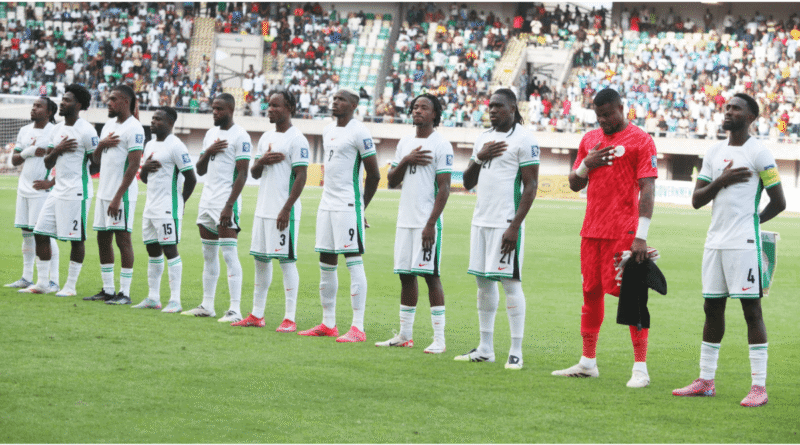
Super Eagles Unity Cup Squad Sparks Debate Among Nigerian Fans
Debate is intensifying among Nigerian football supporters ahead of the Unity Cup as expected Super Eagles Unity Cup Squad decisions under Super Eagles head coach Éric Chelle continue to divide opinion across the country’s football community.
Although the Nigeria Football Federation had not yet officially released the final squad list at the time of reporting, discussions about possible inclusions, notable absences, and Chelle’s rebuilding plans have already dominated online sports conversations.
For many supporters, the Unity Cup is no longer being viewed as just another invitational tournament.
It is increasingly being treated as an early measure of where the Super Eagles are heading after years of inconsistency, tactical uncertainty, and growing frustration among fans.
Nigeria’s difficult 2026 FIFA World Cup qualifying campaign — marked by damaging dropped points, late defensive lapses, and recurring questions about midfield balance — has only intensified scrutiny around every major decision involving the national team.
Many fans still remember how quickly control slipped away in some of those matches.
That frustration has not disappeared.
Questions Over Big-Name Absences
Much of the current debate has centered on reports suggesting that several established Super Eagles stars may not play prominent roles during the competition.
Names such as Victor Osimhen, Ademola Lookman, Samuel Chukwueze, and Moses Simon have featured heavily in conversations among supporters questioning whether Chelle intends to prioritize experimentation over immediate results.
For some supporters, reducing dependence on established stars could finally create space for younger players fighting for long-term places in the national team.
Others see danger in another rebuilding phase without immediate signs of improvement.
That disagreement has exposed a deeper divide among supporters:
whether Nigeria should commit fully to rebuilding patiently or continue leaning heavily on proven Europe-based players to steady the team during a difficult transition period.
The anxiety is understandable.
Nigerian football fans have heard promises about rebuilding before.
Fresh Faces Generate Excitement
At the same time, reports linking several emerging players to the squad have generated excitement among supporters eager to see fresh energy introduced into the team.
Among the names attracting growing attention are Prosper Obah, Zadok Yohanna, Femi Azeez, and Abayomi Junior — players viewed by many observers as possible long-term options for the national setup.
The possible inclusion of more Nigerian Premier League players has also reignited one of Nigerian football’s oldest arguments.
Supporters of home-based football believe the Unity Cup offers an important opportunity to reward standout NPFL performers and rebuild confidence in the domestic league.
Critics, however, argue that international tournaments should remain focused on players already competing consistently at the highest levels abroad.
That tension between local development and foreign-based experience has shaped Super Eagles conversations for years, but the Unity Cup may now become one of the clearest indications yet of where Chelle stands on the issue.
One supporter reacting online wrote:
“Fans are tired of endless experiments. If new players are coming in, people want to see clear improvement — not another confused team.”
The reaction reflects a wider mood among many supporters who remain hopeful about the future of the national team but increasingly impatient for visible progress on the pitch.
Chelle’s Tactical Direction Under Scrutiny
Beyond individual player selections, many analysts are closely watching the style of football Chelle hopes to establish around the team.
The former Mali coach is expected to push for a more aggressive setup built around quicker attacking breaks, tighter pressing from midfield, and a defensive structure capable of better withstanding pressure than the team has in recent years.
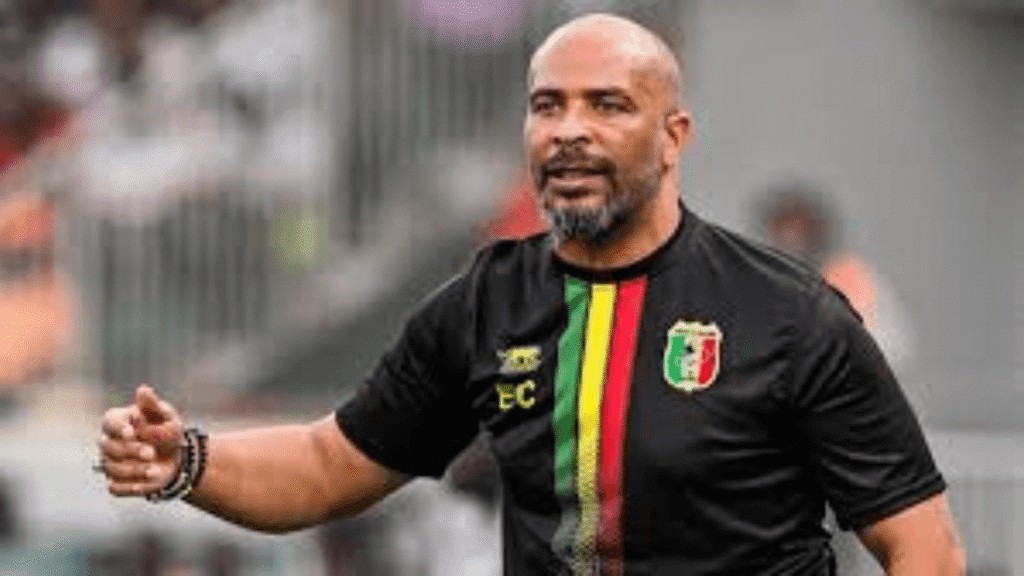
At times during the last qualifying campaign, Nigeria looked vulnerable whenever matches became physically intense or tactically chaotic.
That remains a concern.
The Unity Cup could therefore serve as more than just a squad experiment.
It may become the first meaningful opportunity for supporters to judge whether Chelle’s ideas can produce a team that looks more organized, reacts faster without the ball, and maintains control during difficult phases of matches.
Since his appointment, expectations around the coach have continued to rise as supporters search for signs that the Super Eagles are finally developing a clearer football identity.
More Than Just a Tournament
Across social media platforms, reactions to the expected squad direction have reflected both excitement and frustration — further highlighting how emotionally invested Nigerians remain in the future of the Super Eagles.
For younger players, the Unity Cup could become a breakthrough moment.
For fringe squad members, it may represent a final opportunity to secure long-term places in the national setup.
And for Chelle himself, the tournament may now carry far greater significance than its unofficial status initially suggested.
In many ways, the competition feels less like a routine football event and more like the beginning of another defining chapter for one of Africa’s most heavily scrutinized national teams.
For Chelle, the Unity Cup may ultimately become more than a test of squad selection or tactical ideas.
It could become the first real indication of whether Nigerian fans are prepared to believe in another rebuilding process — or whether patience with the Super Eagles project is already running out.